Blogs
Python in Finance: Why MBA Finance Students Should Learn It
Mr. Pritam Lanjewar
Faculty of Finance
Datta Meghe Institute of Management Studies
Faculty of Finance
Datta Meghe Institute of Management Studies
For MBA students specializing in Finance, Python has become an essential analytical tool in the modern financial ecosystem. With the growing use of data analytics, automation, and technology in finance, traditional tools like spreadsheets are no longer sufficient for handling complex financial models and large datasets. Python allows MBA students to efficiently analyse financial data, automate repetitive tasks, and improve decision-making accuracy.
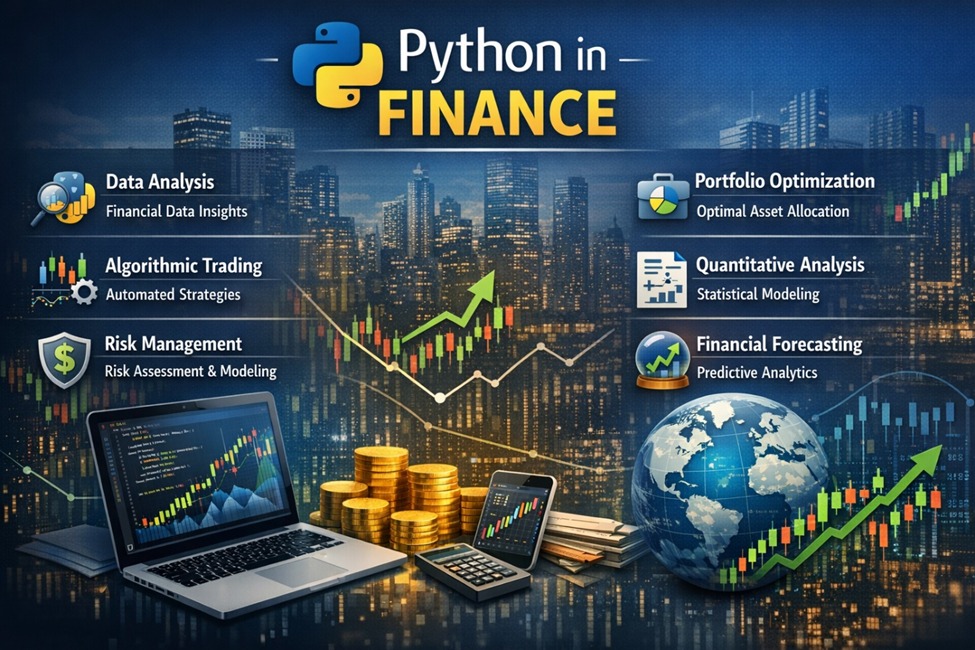
Python’s easy-to-learn syntax and powerful libraries such as Pandas, NumPy, and Scikit-learn help students apply key finance concepts like portfolio optimization, risk management, financial modelling, valuation, and forecasting in real-world scenarios. It is also widely used in areas such as algorithmic trading, credit risk analysis, fraud detection, and financial analytics.

Today, banks, investment firms, consulting organizations, and FinTech companies actively seek MBA graduates who can combine financial knowledge with data and technology skills.
In conclusion, learning Python is no longer optional for MBA Finance students—it is a strategic career investment. Python empowers students to bridge the gap between finance theory and real-world practice, enhances employability, and provides a competitive edge in a technology-driven finance industry. By mastering Python, MBA Finance students equip themselves with the analytical and decision-making skills required to become effective leaders in the future of finance.